


 Nike
Nike
 Adidas
 Asics
Asics
 K-Swiss
 New Balance
 On
On
 Wilson
 Babolat
 Head
Head
 Nike
Nike
 Wilson
 K-Swiss
 Babolat
 Nike
Nike
 Asics
Asics
 K-Swiss
 New Balance
 On
On
 Wilson
 Babolat
 Head
Head
 Lacoste
 Tecnifibre
 Wilson
 Penguin
 Boss
Boss
 Diadora
 Lucky in Love
 Lacoste
 Sofibella
 Lija
Lija
 On
On
 Bubble
 Boast
Boast
 Girl's Lucky in Love
 Fila
Fila
 Lacoste
 Tecnifibre
 Yonex
Yonex
 Dunlop
 Tecnifibre
 Solinco
 Mizuno
 Volkl
Volkl
 Mizuno Demos
 Volkl Demos
 Yonex Demos
 Babolat
 Volkl
Volkl
 Ame & Lulu
 CourtLife
 Dunlop
 Geau Sport
 Glove It
 Solinco
 Trelle and Co.
 Gamma
Gamma
 Penn
Penn
 Volkl
Volkl


 Adidas
 Dunlop
 Gamma
Gamma
 Head
Head
 Lucky in Love
 Tail
Tail
 Tennis Express
 Tourna
 Jannik Sinner
 Carlos Alcaraz
 Novak Djokovic
 Alexander Zverev
 Ben Shelton
 Daniil Medvedev
 Tommy Paul
 Casper Ruud
 Lorenzo Musetti
 Rafael Jodar
 Aryna Sabalenka
 Elena Rybakina
 Iga Swiatek
 Coco Gauff
 Jessica Pegula
 Mirra Andreeva
 Amanda Anisimova
 Alexandra Eala
 Elina Svitolina
 Victoria Mboko
 CRBN
CRBN
 RPM
RPM
 Engage
 Gearbox
 Holbrook
 Joola
Joola
 Paddletek
 Selkirk
 Franklin Sports
 Gamma
Gamma
 Nox
Nox
 Onix
Onix
 Selkirk
 Vulcan
 Acacia Sports
 Diadora
 Reebok
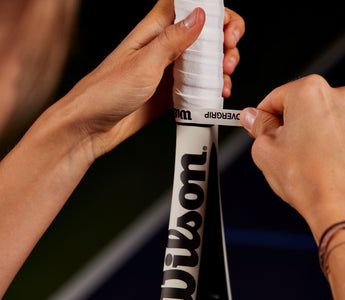
In tennis, we often chase big breakthroughs—more power, improved consistency, fewer unforced errors. But sometimes, performance jumps don’t come from changing your swing or grinding out hours of drills. They come from smart maintenance: changing your grip, strings, and shoes.
Let’s break down how these three equipment tweaks can make a surprisingly big difference in your game.
The Grip: Control in the Palm of Your Hand
The grip on your racket is your direct connection to the game. Over time, it wears down, loses tackiness, and absorbs sweat and dirt. That can cause your hand to slip, which can lead to mishits, more tension in your arm, and even blisters.

Why Change Your Grip:
- Better feel: A fresh grip provides a more secure hold, giving you more confidence on each shot.
- Injury prevention: Replacing worn grips can reduce strain on your wrist and elbow.
- Consistency: No slipping means better stroke mechanics and fewer errors under pressure.
Tip: Replace your overgrip every 1–2 weeks if you play often. For base grips, every few months is usually fine.
Strings: The Engine Behind Your Shots
Tennis strings don’t just break, they also wear down with each ball hit. That means they lose tension, responsiveness, and feel, even if they look intact. If your shots suddenly feel dull or inconsistent, your strings might be the reason.

Why Change Your Strings:
- More spin and control: Fresh strings grab the ball better, giving you more bite and accuracy.
- Improved power: Tighter, livelier strings help transfer energy more efficiently.
- Arm health: Dead strings can transmit more shock to your arm, increasing the risk of tennis elbow.
Tip: A general rule is to restring as many times per year as you play per week. So, if you play 3 times a week, restring every 3 to 4 months, even if they don’t break.
Shoes: Your Connection to the Court
Tennis is all about side-to-side movement, tons of quick stops, explosive starts, and sliding into shots. Your shoes take the brunt of that ballistic movement. When the tread wears down, your footing becomes less secure, and the risk of injury rises.
Why Replace Your Shoes:
- Traction and support: Worn soles mean less grip on hard courts and clay, making it harder to change direction.
- Shock absorption: Compressed midsoles can’t protect your joints as well.
- Injury risk: Weak ankle support and poor cushioning increase the chance of foot, knee, or hip injuries.

Tip: If you play 2–3 times a week, a good pair of tennis shoes usually lasts 6–9 months. Check the outsole and midsole regularly for wear.
Final Thoughts
Upgrading your gear doesn’t have to mean buying a new racket or chasing the latest technology. Often, it’s the small, regular changes that keep your game sharp and your body healthy. Think of your grip, strings, and shoes as the maintenance crew behind every great shot.
Invest a little time and money into keeping them fresh, and you’ll likely see big returns on the court.


![You Got Served Unisex Tennis Tee White-Apparel-TENNIS EXPRESS-TESERVED18-1-1-[Sku]-Tennis Express](http://tennisexpress.com/cdn/shop/files/TESERVED18-1.webp?v=1769458091&width=298)

